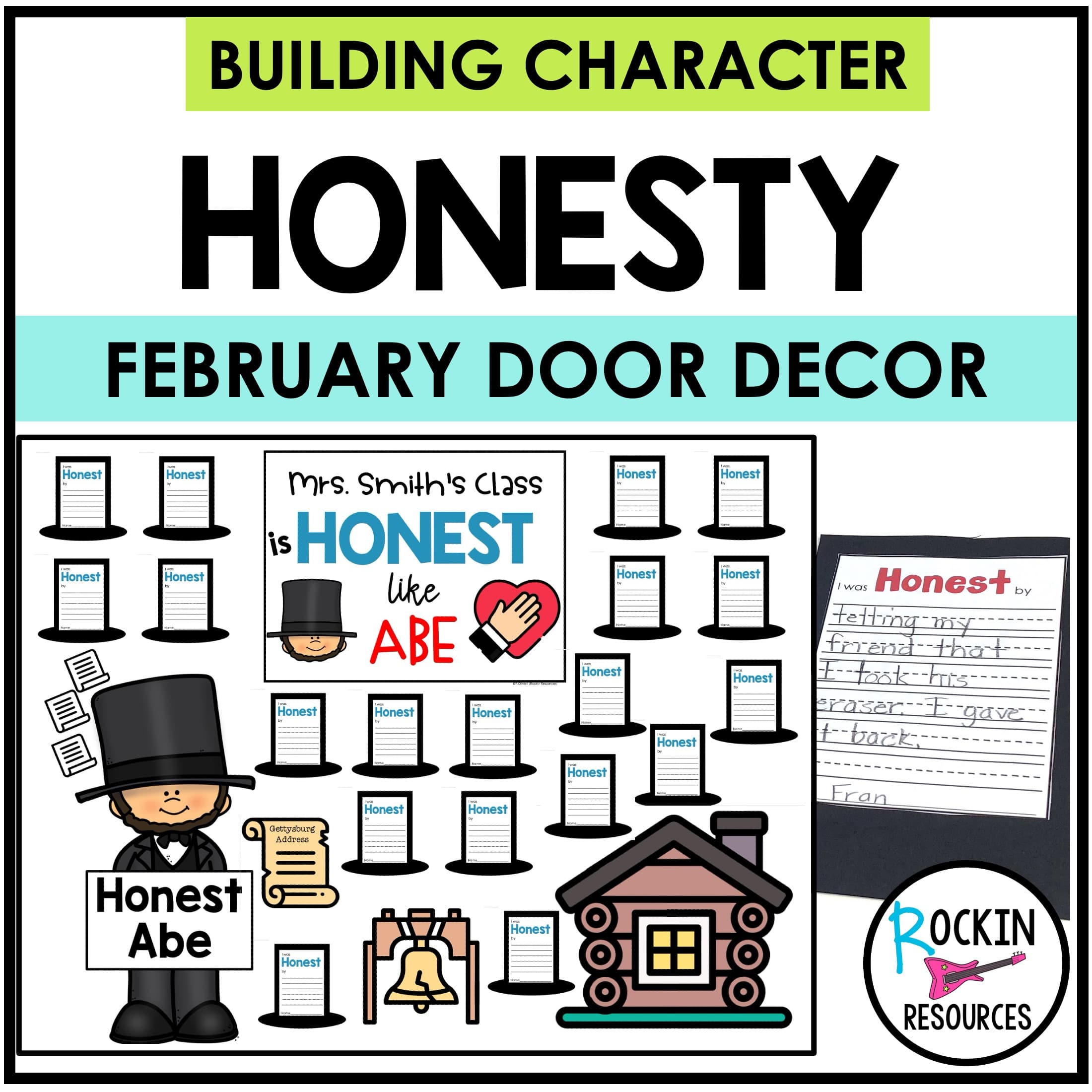
Teaching honesty in the classroom goes far beyond reminding students to “tell the truth.” Our students face real situations every day where honesty feels uncomfortable—admitting a mistake, taking responsibility, or choosing the harder right over the easier wrong. By intentionally teaching honesty, we help students build trust, strengthen relationships, and grow into confident, responsible learners.
1. Define honesty clearly (and simply).
Don’t assume students know what it means. Use kid-friendly language like:
“Honesty means telling the truth and doing the right thing—even when it’s hard.”
2. Use real-life classroom scenarios.
Talk through situations students actually face:
- Copying homework
- Blaming a classmate
- Finding something that doesn’t belong to them
Ask: What’s the honest choice? Why might it be hard?
3. Praise honesty—even when there’s a consequence.
This is HUGE. Say things like:
👉 “I’m proud of you for telling the truth.”
You can still apply consequences, but reduce them when honesty is shown.
4. Model honesty yourself.
Students notice everything. Admit small mistakes:
- “I forgot to collect that paper.”
- “I made a mistake on the board.”
This shows honesty isn’t scary.
5. Create a safe space for telling the truth.
If students fear embarrassment or harsh punishment, they’ll hide the truth.
Use calm language and private conversations whenever possible.
6. Teach the difference between honesty and tattling.
Honesty = keeping people safe and being truthful
Tattling = trying to get someone in trouble
A simple rule: “Are you trying to help or get someone in trouble?”
7. Read stories that highlight honesty.
Fiction is powerful. After reading, ask:
- Who was honest?
- Who wasn’t?
- What were the consequences of each choice?
8. Use role-playing.
Have students act out short scenarios and practice what honest responses sound like. This builds confidence before real situations happen.
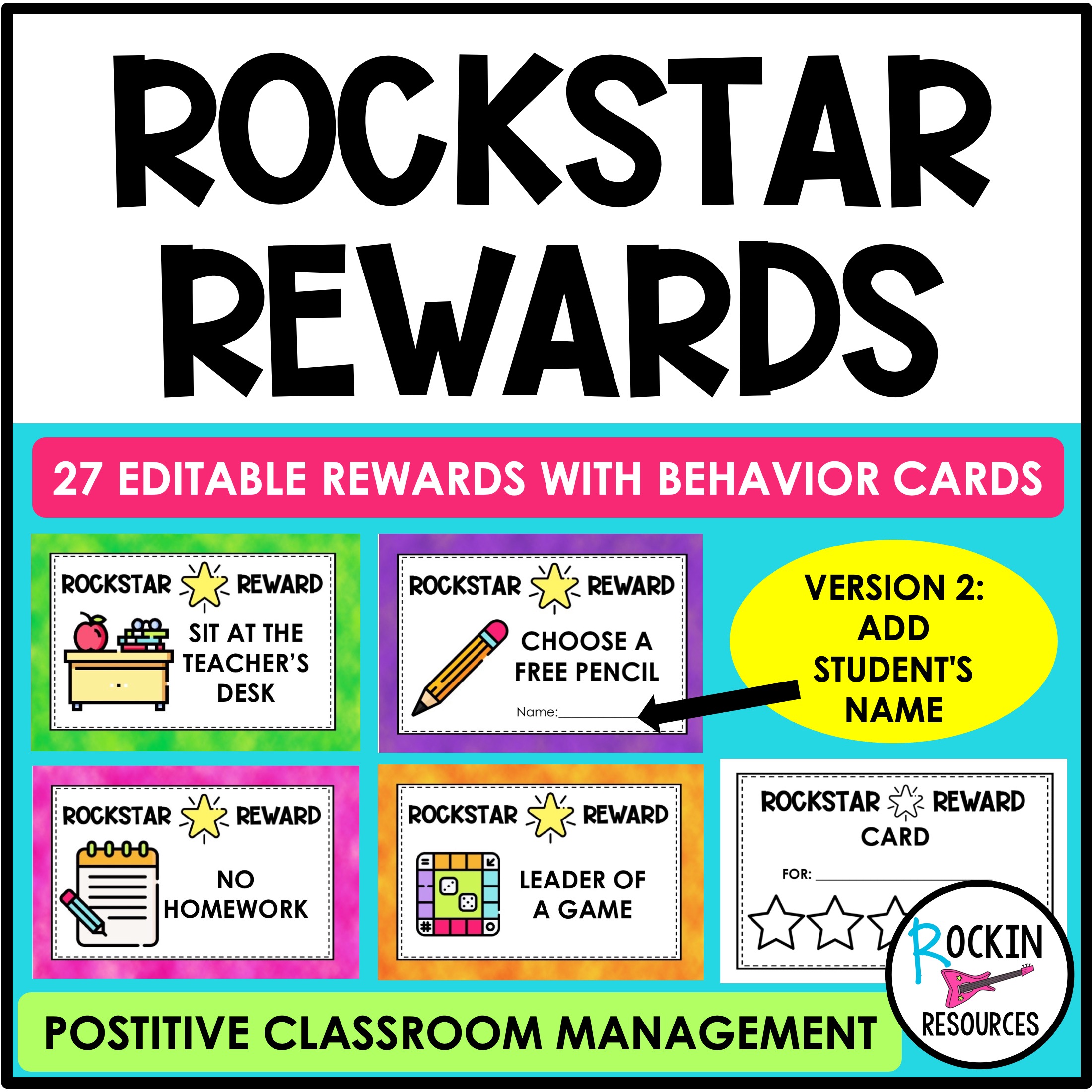
9. Reinforce honesty through positive rewards.
Classroom rewards, recognition slips, or “character shout-outs” work well when tied to specific behaviors:
- “You told the truth even when it was hard.”
- “You admitted a mistake and fixed it.”
10. Emphasize trust.
Explain that honesty builds trust—and trust makes classrooms safer and happier.
You might say: “When people are honest, others know they can count on them.”
Honesty doesn’t develop overnight—it’s built through practice, patience, and plenty of guidance. When we create a classroom where students feel safe telling the truth, even when it’s hard, we’re doing more than managing behavior. We’re teaching a life skill that will serve them far beyond our classroom walls.
Keep rockin’!

Related Blog Posts:


Discover Related Resources:
-
Sale!
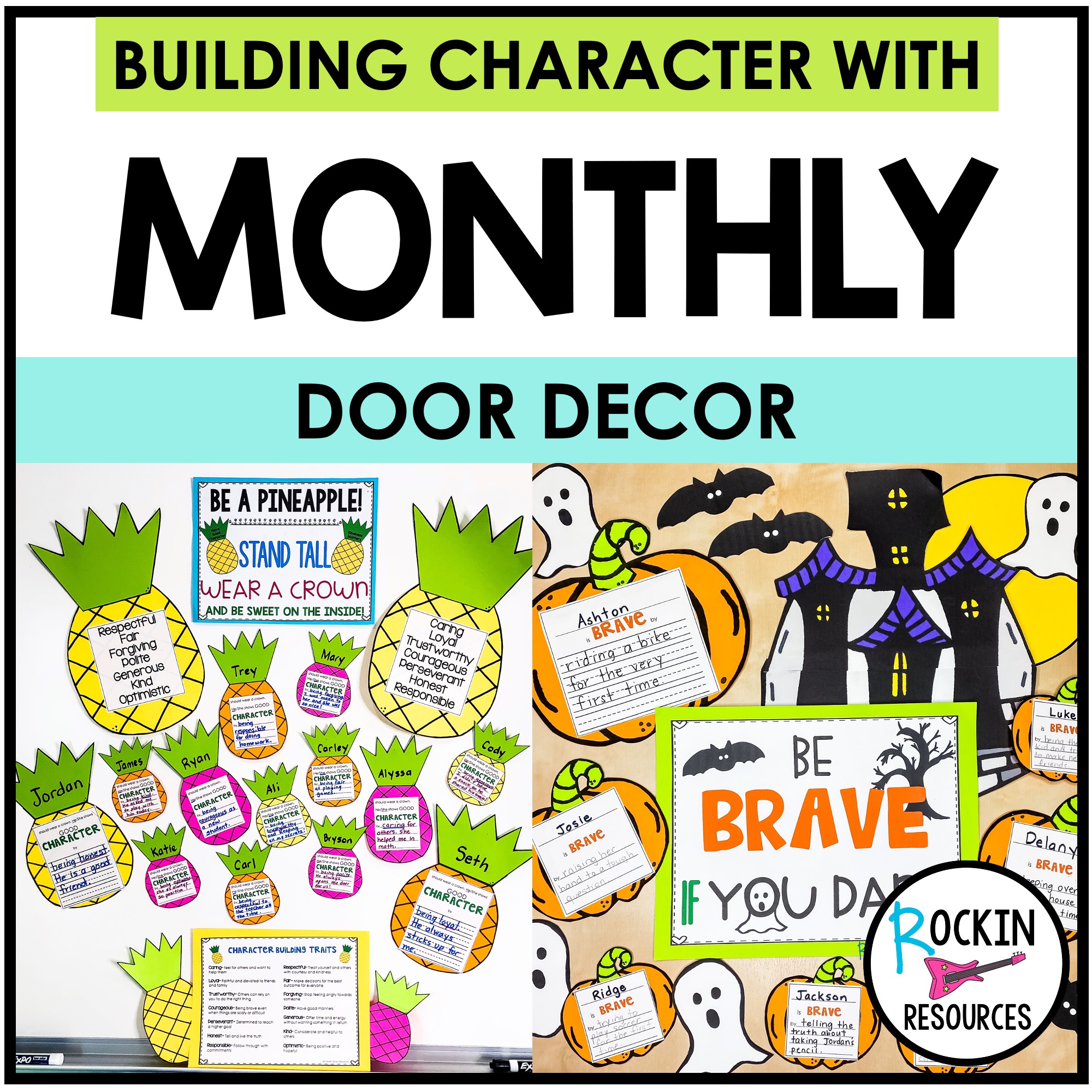
Monthly Door Decor or Bulletin Board for Character Education
Original price was: $30.00.$22.49Current price is: $22.49.